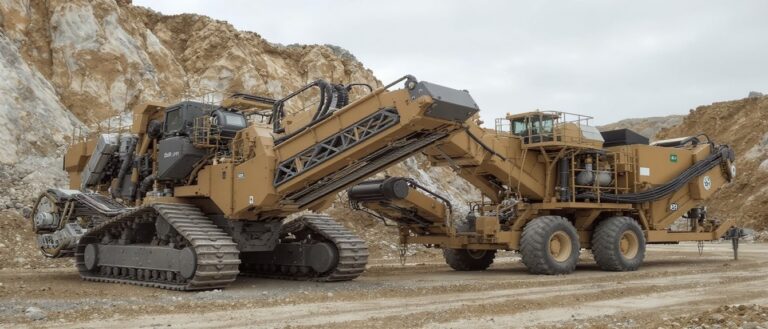
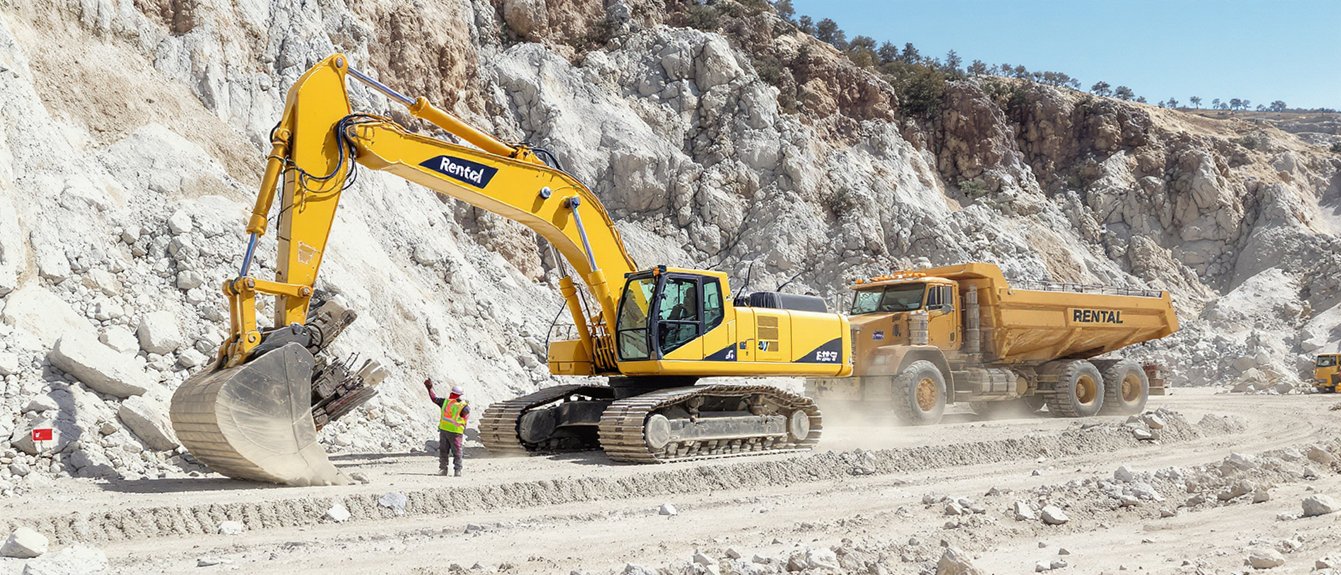
Renting quarry equipment in the US can help you match machine capacity to current demand without committing to a purchase. The right rental can support production; the wrong fit can increase costs, disrupt schedules, and create safety risks. Start by defining your material, site conditions, production targets, and operating constraints. Then confirm equipment availability, delivery arrangements, safety features, maintenance support, and rental terms. Look beyond the quoted rate: clear expectations for wear, downtime, damage, and return conditions can help prevent avoidable charges and delays. Check current MSHA requirements and make sure the equipment and work plan support safe operation at your site.
Choose Quarry Rental Equipment for Your Site
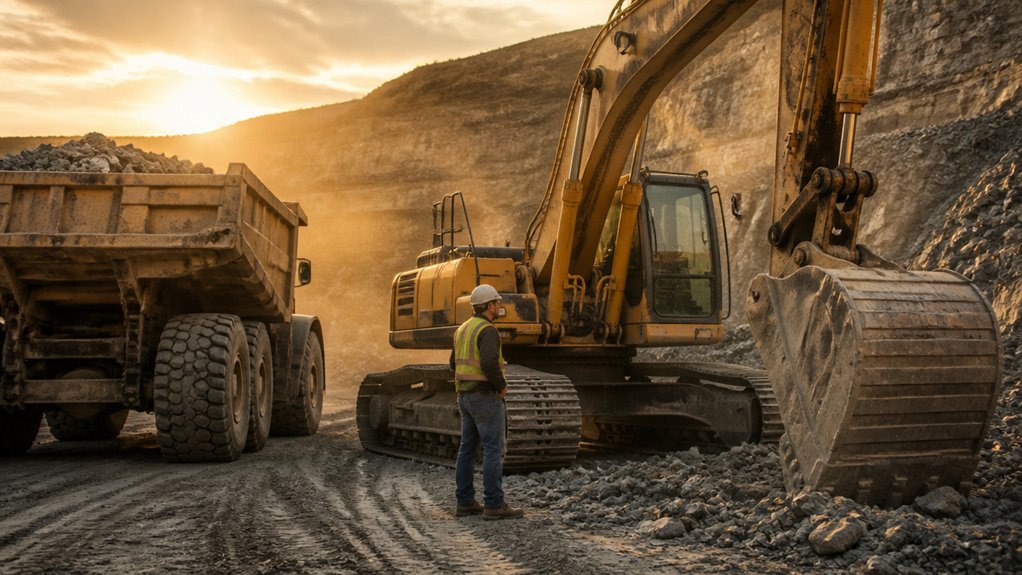
How to choose quarry rental equipment for your site
Start with the material you’ll handle, your production target, and the conditions at the site. Match excavator size and bucket capacity, crusher type, and haul truck payload to the work you need to complete. Larger equipment isn’t automatically more productive: it can add fuel and transport costs without increasing output.
Before you select equipment, check ground bearing capacity, gradients, bench dimensions, and access routes. Confirm that each machine is suited to the terrain and can operate within its limits. Review guards, alarms, lights, and emergency stops, and check current MSHA requirements and other applicable regulations.
Plan for dust, noise, and visibility controls where site conditions call for them.
Compare the full rental cost with expected production, including fuel, attachments, and who’s responsible for maintenance. Confirm that operators have the training and experience needed for each machine.
Work through these checks with your crew and rental supplier to choose equipment that supports safe, reliable production without paying for capacity you won’t use.
Check Equipment Availability and Delivery
Once you’ve selected the equipment, confirm that each unit is available for your rental dates and can arrive when your crew needs it. Ask the supplier to reserve the machines and verify the configuration, attachments, and operating capacity against the job plan. Confirm the delivery window, transport requirements, and who’ll unload and position each unit.
Check that access roads, bridges, and work areas can support the equipment’s weight and turning radius. Arrange any required permits or escorts for oversized loads, and confirm site access details with the carrier before dispatch. Build in time for transport delays, inspection, and setup to reduce the risk of idle crews.
Before delivery, agree on inspection and handoff procedures. Review maintenance status and available safety records, and confirm operator training requirements. At handoff, check that manuals, guards, and emergency controls are present and in usable condition.
Review applicable rental requirements, site rules, and transport restrictions, and clarify who’s responsible for compliance. Check current MSHA requirements and other applicable regulations with the appropriate authorities.
Compare Quarry Equipment Rental Quotes and Costs
Compare rental quotes by total job cost, not daily rate alone. Estimate how long you’ll need each machine and calculate charges for the full rental period. Include mobilization, delivery, pickup, fuel, operator training, and required attachments. Confirm whether the rate covers one shift or multiple shifts, since quarry schedules can change actual equipment use.
Use the same assumptions for every supplier. Ask for itemized estimates and check for weekly or monthly discounts, minimum rental periods, and usage-based charges. This makes it easier to spot cost differences and avoid paying for capacity the job doesn’t need.
Match machine size and output to the material, haul distance, and site conditions. Undersized equipment can slow production; oversized equipment can increase costs and create operating hazards. Compare equipment condition and documented maintenance, and consider depreciation when weighing newer against older machines.
Prioritize suitable capacity, reliable performance, and safe operation over age alone. Confirm that the equipment and planned work meet applicable safety requirements, and check current MSHA regulations.
Confirm Rental Terms, Insurance, and Maintenance
Before signing a rental agreement, confirm the rental period, payment terms, damage liability, and cancellation rules in writing. Clarify who’s responsible for transportation, setup, cleaning, and late returns. Ask how the agreement defines normal wear, misuse, and lost components, and what charges may apply.
Verify whether the rental insurance covers theft, collision, and equipment damage. Check deductibles, exclusions, coverage limits, and any required certificates. Don’t assume your quarry’s general liability policy covers rented machinery; confirm coverage with your insurance provider before the equipment arrives.
Review maintenance terms for inspection duties, service intervals, emergency repairs, and responsibility for parts and labor. Confirm who’s authorized to perform repairs and how to report and document defects at delivery and return. Request current inspection records and safety documentation, including applicable operating instructions.
Check current MSHA requirements and other applicable regulations before mobilization.
Resolve unclear terms before the equipment is dispatched, and keep signed agreements and supporting records accessible to your supervisor and finance team. Clear rental, insurance, and maintenance terms can help prevent disputes, support safe operation, and keep equipment productive.
Plan Rental Use to Avoid Quarry Downtime
To keep a rental from slowing quarry production, schedule delivery around the work plan and allow time to unload, inspect, set up, and familiarize operators with the machine. Before delivery, confirm access routes, ground conditions, and the site’s lifting capacity. Coordinate with the rental provider to verify the required attachments, fuel arrangements, service contacts, and replacement options in case of a breakdown.
Before operation, inspect guards, alarms, brakes, tires or tracks, and other critical systems. Follow the manufacturer’s instructions, site procedures, and applicable MSHA requirements; check current regulations, and don’t operate equipment with unresolved defects to meet a shift target.
Arrange training on the specific model and task, including emergency shutdown and communication procedures.
Track utilization and downtime each day so you can address issues and adjust the production plan. Return the equipment when it’s no longer needed, and review extension dates to avoid paying for idle rental days.
Frequently Asked Questions
What Permits Are Required to Operate Rented Quarry Equipment in the US?
You generally do not need a separate permit simply to operate rented quarry equipment. However, you must meet applicable site, state, and federal requirements. Before work begins, confirm that operators have any required qualifications and safety training, review the rental agreement, and verify that the equipment is properly maintained and suitable for the task. Check with the site’s safety lead and relevant agencies about applicable MSHA requirements and any environmental permits tied to the work. Regulations can change, so confirm current requirements before mobilizing.
Do Operators Need Special Licenses or Certifications to Use Quarry Machinery?
A federal operator’s license is not generally required to run quarry machinery, but state rules, employer policies, site procedures, or equipment-specific requirements may apply. Before operating, confirm the current requirements with your employer and check applicable MSHA regulations. Complete required training, review the machine’s operating procedures, and verify that you’re authorized to use that equipment. These steps help protect workers, support reliable production, and reduce the risk of violations, injuries, and costly downtime.
Who Is Liable for Workplace Injuries Involving Rented Equipment?
Liability for workplace injuries involving rented equipment depends on the cause of the incident, the rental agreement, and applicable state and federal law. An employer may be responsible when unsafe work practices, inadequate training, or failure to maintain a safe work area contributed to an injury. Equipment owners or rental providers may also have responsibilities, depending on the circumstances and contract terms.
To reduce risk and keep operations running safely:
- Review rental agreements and confirm who is responsible for inspections, maintenance, repairs, and reporting defects.
- Inspect rented equipment before use and remove it from service if it appears unsafe.
- Train workers on the equipment’s safe operation and site-specific hazards.
- Follow applicable MSHA requirements and check current regulations.
- Keep inspection, training, maintenance, and incident records.
- Maintain appropriate liability insurance and consult qualified legal and insurance professionals about coverage and responsibilities.
Clear procedures and communication among operators, contractors, and rental providers can help prevent injuries and limit operational disruption.
Can Quarry Equipment Rentals Qualify for Tax Deductions?
Quarry equipment rental costs may be deductible as ordinary business expenses when the equipment is used for business operations. Keep rental agreements, invoices, and records showing how the equipment was used. Tax treatment depends on your business structure and current tax rules, so confirm the deduction with a qualified tax professional before filing. For safe, productive operations, also verify that rented equipment suits the job, is properly maintained, and meets applicable MSHA requirements; check current regulations.
What Environmental Rules Apply to Rented Quarry Equipment?
Follow applicable federal, state, and local environmental requirements for permits, stormwater, dust, noise, and waste. Before putting rented equipment to work, confirm which rules apply to the site and machine, including emissions requirements. Maintain required controls and document inspections and corrective actions. Renting equipment does not automatically transfer your environmental compliance responsibilities. Check current regulations and permit conditions, and coordinate with the rental provider and site environmental lead to address any gaps before work begins.