
Consistent cubicity in secondary and tertiary aggregate fractions depends on more than crusher selection. Match crusher settings to the feed, maintain an even feed, and monitor wear so it doesn’t compromise particle shape or gradation. Screen performance and recirculating loads matter, too. To find where cubicity is being lost, check feed conditions and equipment performance at each stage. Start with the practical steps below.
Diagnose Feed and Equipment for Cubicity
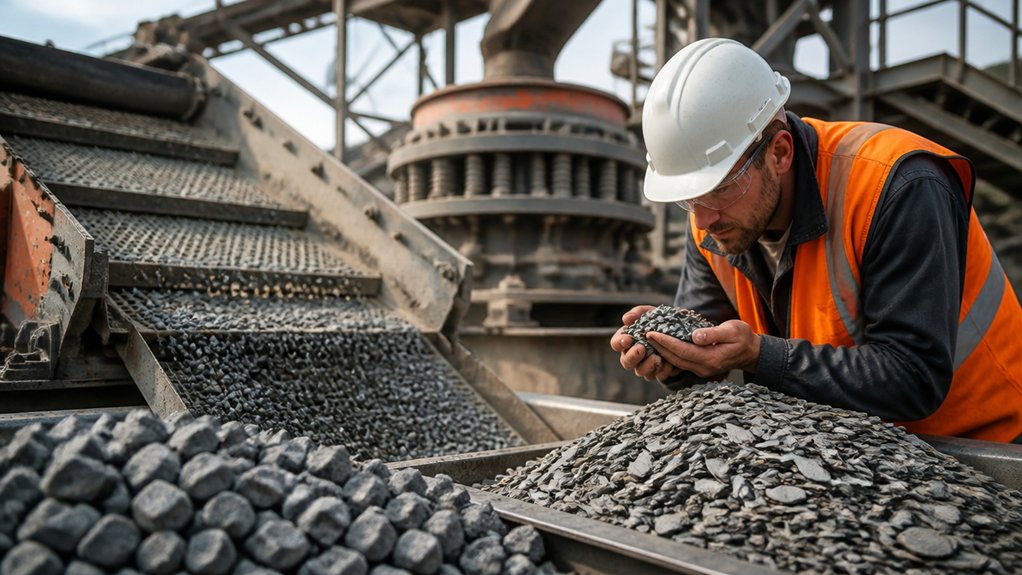
Start by checking whether the feed is consistent in size, gradation, moisture, and hardness. Variations can change how material fractures and moves through the crusher, affecting product shape and production. Sample each stockpile and compare the results with production records to identify feed changes associated with excess flaky or elongated particles. Blending may improve consistency, but verify the combined gradation and moisture before processing.
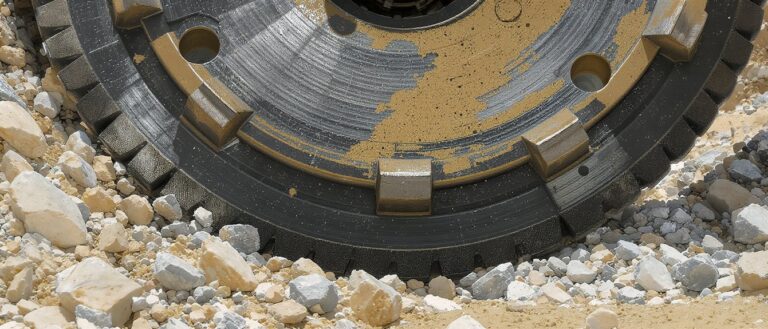
Next, inspect crusher liners, wear parts, and discharge components for uneven wear, damage, or buildup that could affect material flow. Check screens for blinding, damaged media, and misplaced panels that may allow unsuitable particles into the finished product. Follow site safety procedures and applicable MSHA requirements during inspections; check current regulations before work begins.
Use image analysis and other shape measurements to assess cubicity by size fraction. Compare the results with operating data, correct the identified feed or equipment issue, and retest to confirm the change. This process helps operators target adjustments that support consistent product quality and efficient operation.
Match Crusher Settings to Aggregate Feed
Evaluate the feed’s gradation, moisture, hardness, and particle shape before adjusting the crusher.
Set the CSS, rotor speed, and feed rate to suit the material and product target.
Make changes in controlled steps, following the equipment manufacturer’s guidance and site safety procedures.
After each adjustment, check product gradation and shape, then fine-tune the settings to maintain consistent output and efficient operation.
Assess Feed Characteristics
Crusher settings work best when they match the feed’s size distribution, hardness, moisture, and particle shape. Before adjusting operating parameters, collect a representative sample across the feed belt and check its gradation. Record the proportions of oversize, fines, and target-size material. A broad or changing size distribution can affect chamber loading, throughput, and product consistency.
Assess hardness and abrasiveness using representative material, since both affect breakage and wear. Check moisture and clay content for signs of packing, restricted flow, or reduced screening efficiency.
Inspect particle shape, including flakiness, elongation, and angularity, because it can affect interlocking and fracture.
Compare your findings with production targets, and track differences between material sources and shifts. Use these measurements to guide crusher adjustments and identify feed changes early.
Follow site safety procedures during sampling and inspection, and check current MSHA requirements that apply to your operation.
Adjust Crusher Settings
Once you’ve characterized the feed, match crusher settings to its gradation, hardness, moisture, and particle shape. Make controlled adjustments to improve product shape while protecting throughput and limiting excess fines.
- Set the closed-side setting to manage product size. Tighten it gradually when you need more reduction, and check that the change doesn’t overload the crusher or downstream equipment.
- Adjust rotor or cone speed, where the equipment allows, to balance crushing action and wear for the feed’s hardness.
- Maintain a steady feed rate and even distribution to keep the chamber full and stable. Address moisture-related buildup before changing crusher settings.
- Verify crusher calibration using representative samples. After each adjustment, check gradation, flakiness, and fines, and confirm the results meet product requirements.
Use screen results to guide incremental changes rather than relying on guesswork. If feed variability persists, coordinate aggregate blending to stabilize the crusher input.
Recheck settings as wear progresses because liner condition can change the effective crushing geometry and product shape.
Follow site safety procedures and check current MSHA requirements before performing inspections or adjustments.
Improve Cubicity in Secondary Crushing
To improve cubicity in secondary crushing, adjust crusher settings to match the target gradation and current operating conditions.
Keep feed gradation consistent to support even chamber loading and help limit elongated particles.
Monitor product shape alongside throughput and other operating indicators, then make controlled adjustments as needed.
Follow site safety procedures during inspections and adjustments, and check current MSHA requirements.
Optimize Crusher Settings
Secondary-stage settings affect particle shape, throughput, and wear. Adjust the crusher to balance reduction ratio and interparticle crushing, then verify the results with regular shape analysis. Follow your site’s safety procedures and check current MSHA requirements before performing inspections or adjustments.
- Match the chamber profile and operating speed to the material. Consider material hardness and feed characteristics when selecting settings. For harder rock, use controlled adjustments to maintain effective crushing and protect components.
- Set the closed-side setting for the target product. Aim to encourage particle-on-particle breakage without producing excessive fines. Check discharge samples to confirm the product stays within your target size range.
- Inspect liner wear. Uneven wear can distort the chamber, make compression less consistent, and increase elongated particles. Replace liners when wear begins to affect performance, following the equipment supplier’s guidance.
- Track results after each adjustment. Monitor motor load, throughput, and particle shape. Change one parameter at a time, then allow the circuit to stabilize before evaluating the effect.
Record settings by material and operating condition. This helps your crew repeat successful adjustments, maintain product shape, and protect capacity and equipment life.
Control Feed Gradation
Control feed gradation before secondary crushing to support consistent interparticle breakage and a more cubical product. Blend primary crusher discharge to limit sudden changes in particle size and keep the feed profile steady.
Excessive fines can cushion larger particles and reduce rock-on-rock contact. Oversize material can overload the chamber and contribute to flaky output. Use screening and controlled recirculation to manage both fractions before they reach the secondary crusher.
Maintain a stable feed rate and check for segregation in bins, transfer points, and conveyor loading. Consistent aggregate gradation helps the chamber operate within its intended reduction range, supporting product shape without relying solely on tighter settings.
When feed composition shifts, adjust upstream screening or blending. These practices promote consistent breakage, protect throughput, and help maintain cubical aggregate as operating conditions change.
Use Shape Monitoring
Consistent feed gradation supports predictable breakage, but regular shape monitoring shows whether the secondary crusher is producing the required cubical product. Use results to guide adjustments, reduce off-spec material, and limit downstream rework.
Collect representative samples at consistent intervals. Use image analysis or calibrated gauges, and compare results with your product specifications.
- Measure: Record flakiness, elongation, and aspect ratio by size fraction.
- Trend: Review results across shifts to spot gradual changes, not just isolated failures.
- Diagnose: If shape consistency declines, check the closed-side setting, chamber wear, and feed distribution.
- Verify: After an adjustment, resample and confirm whether cubical yield improved.
Check surface texture along with particle geometry. Excessive roughness or fractured faces may indicate unstable breakage. Keep sampling methods consistent, document crusher settings, and share results with operators so they can respond promptly.
Follow applicable safety procedures when collecting samples or inspecting equipment, and check current regulations and site requirements before performing this work.
Fine-Tune Tertiary Crushing for Cubicity
After secondary crushing, tune the tertiary crusher to meet cubicality and gradation targets while limiting excess fines. Choose a cone or impact crusher based on the feed material, required product, and existing plant setup.
Make controlled, incremental changes to the closed-side setting, rotor speed, or chamber configuration. A tighter setting may reduce elongated particles, but excessive compression can create more fines and increase energy use. Track power draw, throughput, and product gradation after each adjustment.
Adjust crusher settings incrementally, monitoring power, throughput, and gradation to balance cubicality with fines and energy use.
Account for material hardness when selecting operating parameters and wear components. Inspect liners and blow bars regularly; uneven wear can affect particle shape and product consistency. Keep feed presentation steady and avoid overloading the chamber.
Follow site safety procedures during inspections and adjustments, and check current MSHA requirements.
Use representative samples to verify each change. Record the settings that consistently deliver the required cubicality and size distribution.
Manage Screens and Recirculating Loads
Set screen openings to match product specifications and inspect the decks for blinding, wear, or damage. To maintain cubical product without producing excess fines, balance feed rate, bed depth, and screen motion. Match the screening setup to the feed’s gradation and moisture, then monitor separation and adjust as conditions change.
- Clear buildup promptly. Blinded openings can allow oversize material into the finished product.
- Replace worn panels before enlarged openings affect sizing.
- Adjust feed distribution to avoid overloaded areas and uneven separation.
- Monitor return flow. If it rises, check crusher settings, screen capacity, and feed conditions.
Recirculate only material that needs further reduction. Excessive returns can increase crusher loading, energy use, and fines generation. Too few returns can allow oversize into the product stream.
Coordinate screen performance with crusher throughput, and keep conveyors clear to support steady, controlled circulation through the secondary and tertiary circuit.
Follow site safety procedures when inspecting or servicing equipment, and check current MSHA requirements.
Measure Particle Shape and Refine Cubicity
Measure particle shape and improve cubicity
Measure particle shape against the applicable product specification using a consistent method, such as an image analyzer or shape index test. Test each size fraction separately, and keep sampling locations, sample preparation, and test settings consistent so results are comparable.
Track particle elongation and flakiness alongside gradation. Elevated values may point to crusher settings that need adjustment, worn liners, or unsuitable feed conditions. Assess surface roughness when it affects coating, compaction, or end-use performance.
If results fall outside specification limits, adjust the secondary or tertiary crusher’s closed-side setting, rotor speed, or feed distribution in controlled increments. Retest each fraction after changes, and record operating conditions with the test data.
Use shape trends to distinguish process drift from normal variability. Confirm improvements under production conditions before standardizing settings. Check that gains in cubicity don’t reduce throughput or yield, and follow applicable safety procedures when inspecting or adjusting equipment.
Verify current requirements before making operational changes.
Frequently Asked Questions
What Does “Perfect Cubicity” Mean in Aggregate Production?
“Perfect cubicity” refers to aggregate particles that are roughly equal in length, width and thickness, with minimal elongation or flatness. In practice, the goal is consistent particle shape—not identical cubes. Better-shaped aggregate can compact more predictably and interlock effectively, supporting reliable performance in construction applications.
To improve cubicity, review the crushing and screening process, check equipment settings and wear, and sample product regularly. Work with operators and equipment suppliers to identify adjustments that improve shape without compromising throughput, product quality or safe operation. Follow applicable MSHA requirements and check current regulations.
Why Does Particle Cubicity Matter in Concrete and Asphalt?
Particle cubicity affects how aggregates pack, compact and perform in concrete and asphalt. Well-shaped particles can reduce voids and support consistent workability, strength and pavement stability. Angularity and surface roughness help particles interlock and bond, but excessive irregularity can increase water or binder demand and make handling and compaction more difficult.
To improve performance, monitor particle shape alongside gradation and product consistency. Review crusher settings and screening results, and verify changes with representative samples and mix testing. Coordinate with equipment suppliers and mix designers to address shape issues without compromising throughput or safe operation. Follow applicable MSHA requirements and check current regulations when planning equipment changes or operating procedures.
Which Standards Define Acceptable Aggregate Particle Shape?
ASTM D4791 covers flat and elongated particles, while ASTM C1252 addresses fine-aggregate angularity. EN 933-3 and EN 933-4 cover particle shape and shape characteristics. Check the project specifications and applicable test methods before setting acceptance limits; requirements vary by material and application. Clear limits help operators and quality teams adjust crushing and screening processes to meet project needs.
Can Improved Cubicity Reduce Binder or Cement Demand?
Yes, improved cubicity can reduce binder or cement demand by helping aggregate particles pack more efficiently and leaving fewer voids to fill. The potential benefit depends on the full mix design, including gradation, particle surface texture, and required performance.
To evaluate the opportunity, compare representative samples and trial mixes under your normal production conditions. Track binder or cement use alongside workability, strength, durability, and production consistency. Confirm that any mix changes meet project requirements before adjusting routine production.
How Does Aggregate Cubicity Affect Pavement Durability?
Cubic aggregates can improve pavement durability by interlocking more effectively, helping distribute traffic loads and resist rutting, shoving, and moisture-related damage. Their shape may also improve resistance to fracture under repeated loading, which can slow crack growth and help extend pavement service life.
To support consistent performance, monitor aggregate shape during production and verify that the material meets project requirements. Review crusher settings and screening practices when results vary, and coordinate with the paving team on handling and placement to limit segregation. Keep inspections and maintenance on schedule, and follow applicable safety procedures; check current MSHA regulations for requirements at your operation.