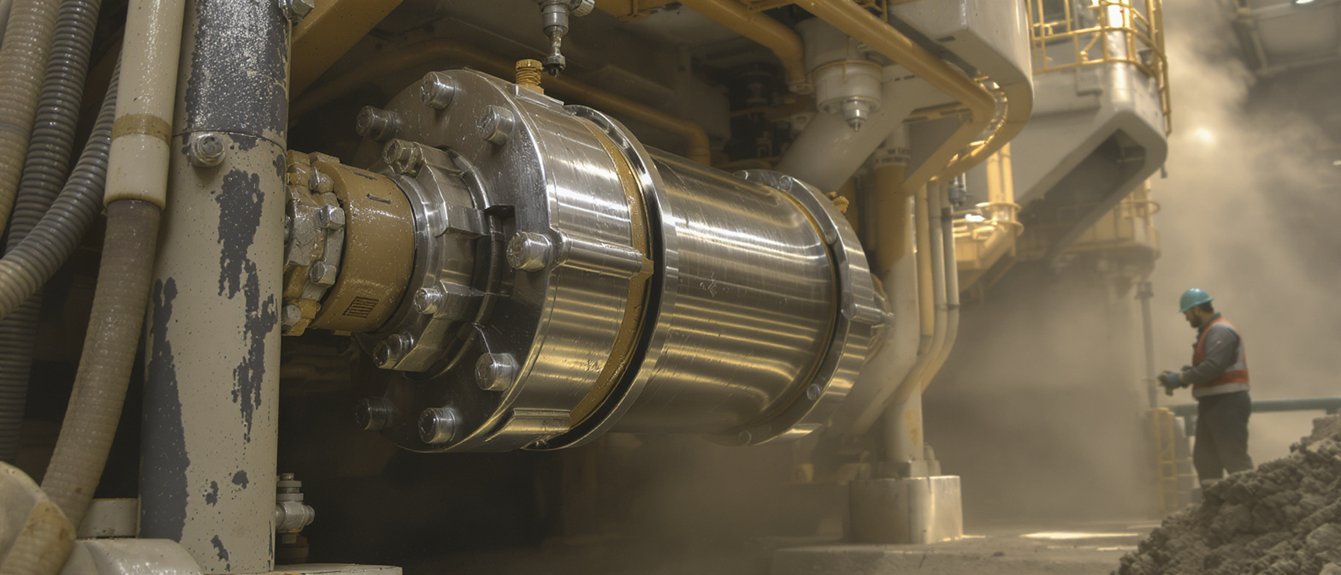
When tramp material or an unexpected load enters a cone crusher, the hydraulic protection cylinder helps control the force and reduce the risk of damage to critical components. It can absorb impact, release excess pressure and allow controlled movement of the crusher assembly. To keep the system ready to respond, verify its settings, inspect components and address warning signs promptly. These practical checks can help protect equipment, support safe operation and keep a brief overload from becoming an extended shutdown. Follow your site’s safety procedures and check current MSHA requirements before performing inspection or maintenance.
How Do Hydraulic Cylinders Stop Crusher Overloads?
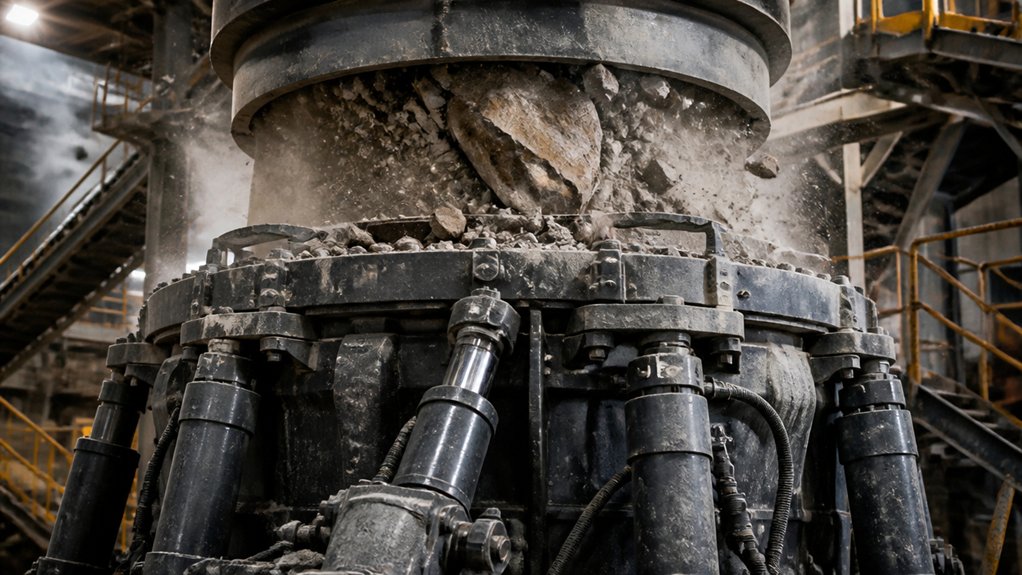
Hydraulic protection cylinders help limit crusher damage when uncrushable material enters the chamber. Under excessive load, they let the movable jaw or another protected component move in a controlled way instead of transferring the full force to the crusher structure.
In a cone crusher, pressure-responsive cylinders help protect the adjustment system and frame when tramp material exceeds the chamber’s crushing capacity. As pressure rises past the system’s set threshold, hydraulic fluid transfers that pressure through the circuit, allowing the cylinder to yield and create clearance for the material.
This can reduce the risk of costly damage and help the operation return to production sooner, but it doesn’t replace safe operating procedures.
For reliable protection, monitor pressure settings and check hoses, fittings and seals for leaks or wear. Stop the crusher if you notice leakage, unusual movement or other signs of a fault. Follow the equipment manufacturer’s procedures before inspection or repair, and never bypass safety controls or work on a pressurized system.
Keep maintenance and operating practices aligned with current MSHA requirements and applicable regulations.
How Do Cylinders Absorb Sudden Impacts?
When a sudden impact pushes a protected component out of position, hydraulic cylinders can absorb some of the shock by allowing controlled movement. As the component shifts, the piston moves inside the cylinder and displaces hydraulic fluid, helping moderate the force transmitted through the crusher structure. This movement can reduce peak loads on the cone, frame, and drive components.
For reliable impact protection, keep the cylinders, connections, and seals in good condition. Inspect for leaks, damage, restricted movement, and signs of abnormal wear. Maintain the hydraulic fluid as recommended by the equipment manufacturer, and follow the specified service limits. These checks support consistent cylinder response and help reduce unplanned downtime.
Cylinder movement doesn’t mean every impact is harmless. After an unusual shock, stop the crusher and inspect it for damage before returning it to service. Follow site safety procedures and applicable MSHA requirements; check current regulations and manufacturer guidance for your operation.
How Does Pressure Relief Protect the Crusher?
Pressure relief helps protect the crusher when an uncrushable object enters the crushing chamber. By releasing excess hydraulic pressure, the system can reduce the risk of damage to the crusher and its components.
Keep the relief system set and maintained according to the equipment manufacturer’s instructions. Include it in routine inspections, and address leaks, abnormal pressure changes or other signs of malfunction before they affect production or create a safety hazard.
Follow applicable MSHA requirements and check current regulations.
Limiting Excessive Pressure
Pressure relief helps protect a crusher’s hydraulic system when uncrushable material enters the chamber. Pressure sensors detect a rapid rise beyond the system’s safe operating range. The control system opens a relief valve, directing hydraulic fluid to an accumulator or return circuit. This allows the adjustment piston to yield and briefly increase the discharge setting so the obstruction can pass.
To keep the protection system ready:
- Verify relief pressure against the manufacturer’s specifications.
- Inspect valves, sensors, accumulators, and hydraulic lines for damage, leaks, or restricted flow.
- Follow the manufacturer’s procedures when testing or servicing the system.
Incorrect settings or restricted flow can delay pressure relief and expose components to excessive pressure. Never bypass a protection device or inspect a pressurized system without following lockout and depressurization procedures.
After a relief event, confirm that pressure has returned to normal and follow approved procedures before restarting the crusher. Check current MSHA requirements and applicable site procedures for maintenance and safety practices.
Preventing Structural Damage
By allowing the adjustment system to yield during an overload, hydraulic pressure relief helps limit the force transferred to the crusher frame, bearings, and other load-bearing components. If uncrushable material enters the chamber, the cylinders allow the bowl to lift, reducing peak stress and the risk of bent structural members or damaged bearing seats.
Once the obstruction passes, hydraulic fluid returns the bowl to its operating position, helping you resume production without an unnecessary shutdown.
Relief protection doesn’t eliminate risk. Incorrect settings, slow system response, or contaminated fluid can still expose the machine to damaging loads. Verify relief pressure against the manufacturer’s specifications, and inspect hoses, seals, and accumulators for leaks or wear.
Keep up with cylinder maintenance to help the system respond as intended and protect critical components. Never bypass relief devices or exceed rated pressure. Follow applicable safety procedures and check current MSHA requirements.
Which Cone Crusher Parts Does the System Protect?
When uncrushable material enters the crushing chamber, the hydraulic protection system lets the adjustment ring lift so the obstruction can pass. This helps limit impact loads on the main frame, adjustment ring, and support surfaces, reducing the risk of damage and unplanned downtime. It also helps protect the bowl liner and mantle by avoiding excessive force on the crushing zone.
Once the obstruction clears, the system returns the adjustment ring to its operating position. This helps maintain crusher geometry and consistent product sizing.
Once the obstruction clears, the adjustment ring returns to position, helping maintain crusher geometry and consistent product sizing.
The system can also reduce stress on the eccentric assembly, main shaft, and related bearings, but it doesn’t eliminate all risk of damage.
For dependable protection, follow the equipment supplier’s inspection and maintenance guidance. Check cone wear and maintain the lubrication system, since excessive wear or inadequate lubrication can still damage critical components.
Before clearing an obstruction or servicing the crusher, follow site lockout procedures and applicable safety requirements. Check current MSHA regulations for relevant requirements.
What Should You Check When Choosing a Cylinder?
Choosing a replacement hydraulic protection cylinder takes more than matching its dimensions. The cylinder must meet the crusher’s specifications and suit site conditions. A mismatch can affect overload protection, damage equipment, and create safety risks. Check these three areas before approving a replacement:
- Pressure and capacity: Compare the cylinder’s working pressure, stroke, and force rating with the crusher manufacturer’s requirements. Confirm that it can handle the expected tramp-release movement without exceeding system limits.
- Material compatibility: Make sure the seals, coatings, and cylinder materials are compatible with the hydraulic fluid, operating temperatures, moisture, and contaminants at your site. Incompatible materials can wear or degrade, leading to leaks or unreliable operation.
- Fit and service access: Verify the mounting points, pin dimensions, hose connections, and available clearance. Check that technicians can inspect and service the cylinder safely, and plan maintenance around your operating schedule.
Use approved specifications and consult the crusher manufacturer before substituting components. Follow applicable safety procedures, check current MSHA requirements, and confirm that installation and maintenance can be completed safely.
How Can You Keep the Protection System Reliable?
To keep a hydraulic protection system reliable, inspect it regularly and address problems before they cause a failure or unplanned shutdown. Follow a documented maintenance plan that sets inspection intervals and covers pressure checks, fluid sampling, and component replacement.
Check for leaks, damaged hoses, corrosion, unusual noise, and changes in cylinder movement. Verify relief-valve settings and confirm the accumulator holds the required pressure. De-energize and isolate the system before servicing or adjusting components.
Use clean fluid of the grade specified for the equipment, replace filters on schedule, and investigate the source of contamination rather than simply changing the oil.
Record inspection readings, repairs, and recurring issues so your team can spot trends and plan maintenance before performance declines.
Use replacement parts that meet applicable standards and suit the cylinder’s rated pressure and operating conditions. Train operators to report irregularities promptly, and follow applicable MSHA requirements and current regulations when isolating equipment and performing maintenance.
After repairs, test the protection functions under controlled conditions before returning the crusher to service.
Frequently Asked Questions
What Is a Hydraulic Protection Cylinder?
A hydraulic protection cylinder is a pressure-responsive device that helps absorb overloads and protect machinery from damaging forces. By relieving excessive pressure before it harms components or creates a safety hazard, the cylinder can support reliable equipment operation and reduce unplanned downtime. Follow the equipment manufacturer’s guidance for inspection and maintenance, and check current MSHA requirements for applicable safety practices.
Can Hydraulic Protection Cylinders Be Retrofitted to Older Cone Crushers?
Yes, hydraulic protection cylinders can be retrofitted to many older cone crushers, but each machine needs an engineering review before work begins. Confirm that the crusher’s frame and supporting structure can handle the loads, that the cylinders are compatible with the machine, and that the hydraulic and control systems can be integrated safely.
Before approving a retrofit:
- Have a qualified engineer or equipment supplier assess the crusher and proposed system.
- Compare the retrofit’s installation and operating costs with the expected maintenance needs and productivity benefits.
- Plan maintenance procedures, including routine inspections and checks of hydraulic components.
- Have qualified technicians install and test the system, including its safeguards, before returning the crusher to service.
Review applicable MSHA requirements and current regulations before installation and operation.
How Do Hydraulic Protection Cylinders Differ From Mechanical Safety Devices?
Hydraulic protection cylinders use pressurized fluid to absorb overloads and can often reset automatically once the obstruction is cleared. Mechanical safety devices, such as shear pins or spring-loaded mechanisms, may require inspection, replacement, or manual resetting after activation. That difference can affect downtime and maintenance planning, so follow the equipment manufacturer’s procedures for clearing the cause of an overload and returning the machine to service.
Keep seals and hydraulic components in good condition to help prevent leaks and maintain reliable operation. Include them in routine inspections, and follow applicable MSHA requirements and current regulations.
What Are the Signs That a Protection Cylinder Needs Replacement?
Replace a protection cylinder if you find persistent leaks, a bent rod, damaged seals, sluggish movement, or loss of pressure. During inspections, check for leaks and follow the equipment’s maintenance schedule. If you suspect a cylinder failure, stop using the affected equipment, follow site safety procedures, and have the cylinder inspected and repaired or replaced before returning it to service.
Who Should Install or Service a Hydraulic Protection Cylinder?
Have a qualified hydraulic technician install or service protection cylinders. Before work begins, confirm the technician follows the equipment manufacturer’s procedures, your site’s maintenance protocols, and applicable safety training. Do not attempt repairs yourself: trapped hydraulic pressure can cause serious injury or equipment damage. Follow applicable MSHA requirements and check current regulations. Proper service helps protect workers and keeps equipment ready for operation.