Choosing conveyors and radial stackers starts with the material, target throughput, and site layout. Match the equipment to peak production needs while maintaining safe access, dependable material transfers, and practical maintenance access. Evaluate moisture, abrasiveness, available space, and plans for future expansion before finalizing the layout. Check how each transfer point and operating area affects the full system, and review current MSHA requirements for applicable safety considerations. This practical comparison can help you avoid bottlenecks and support reliable plant performance.
Match Conveyors and Stackers to Your Material
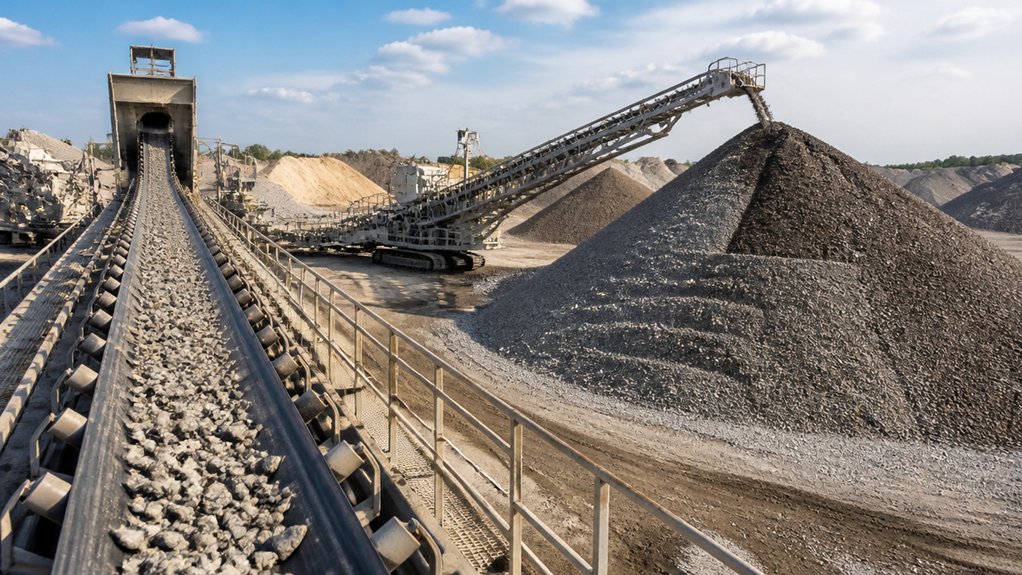
Start by matching the conveyor and radial stacker to the material’s size, weight, moisture, and abrasiveness. These properties influence belt selection, chute design, and wear protection.
> Match the conveyor and radial stacker to the material’s size, weight, moisture, and abrasiveness to guide belt, chute, and wear-protection choices.
For sharp, abrasive rock, use impact-resistant liners and a belt suited to heavy material contact. For damp or sticky material, choose belt cleaners and chute angles that help limit buildup. Fine, dusty products may require enclosed transfer points and dust controls to protect workers and nearby equipment.
Confirm that the stacker’s structure, wheels, and slew components are suited to the site surface and operating conditions. Where the material or environment can cause rust, consider corrosion-resistant components.
Keep guards in place and provide safe access for inspection and cleaning. Follow applicable MSHA requirements and check current regulations.
Matching components to the material’s behavior can help maintain productivity, reduce spillage and blockages, limit premature wear, and protect workers from moving parts.
Set Capacity Targets for Your Conveyors
Set throughput targets for each conveyor based on required tons per hour and the operating schedule.
Account for peak loads as well as average flow to help prevent bottlenecks and overloading.
Verify that the conveyor’s rated capacity fits the material and operating conditions, and include a safety margin.
Check current MSHA requirements and site procedures when planning or changing operations.
Define Throughput Requirements
Before selecting a conveyor or radial stacker, define the material flow rate each part of your operation must handle. Use verified production data to estimate the required tons per hour, and account for the material’s bulk density, particle size, moisture, abrasiveness, and flow behavior. These factors affect belt loading, chute design, wear, and the risk of material buildup.
Set a capacity target for each transfer point—not just for the plant’s total output. Check how upstream feeders and downstream equipment affect flow so the system can maintain a steady, controlled material stream.
Then work with equipment suppliers to confirm that belt width, speed, drive power, and loading arrangements suit the operating rate and material.
Share accurate operating data with suppliers, and verify that guarding, access, and emergency stops remain effective under the planned operating conditions. Review applicable MSHA requirements and current regulations, and document your assumptions before finalizing equipment specifications.
Plan for Peak Loads
Plan conveyor capacity around the highest sustained flow your operation is likely to handle—not just average throughput. Review production forecasts, potential surges, and upstream discharge rates to set a realistic peak target. Include the heaviest material you expect to move, and account for moisture, particle size, and bulk density, which can affect loading behavior.
Size belts, drives, chutes, and transfer points to handle the target without chronic overloading. Confirm that radial stackers can maintain stable flow as they move, and make sure feed systems can’t exceed downstream capacity. A reasonable capacity margin can support equipment durability, while excessive oversizing may increase costs and create operating challenges.
During material handling, use alarms, interlocks, and clear procedures to manage surges safely. Work with suppliers to verify system capacity, then monitor actual loads after commissioning. Adjust settings when needed to address bottlenecks before they affect production or put workers at risk.
Check current MSHA requirements and applicable regulations when developing operating and safety procedures.
Choose Conveyors for Each Transfer Point
Map material flow at every transfer point before selecting a conveyor. Check the route, material characteristics and operating duty, then match belt capacity to the upstream and downstream equipment to avoid bottlenecks and overloading.
Work with equipment suppliers to design chutes and transfer geometry that control material flow, limit spillage and reduce cleanup and safety risks.
Review access and guarding, and check current MSHA requirements before making changes.
Map Material Flow
Start by tracing the material’s route from the feed point to storage or processing. Record each transfer, elevation or direction change, and required flow rate. Mark where the system may need a conveyor, chute, or radial stacker. Planning around actual site conditions can help reduce spillage, blockages, and unnecessary transfers.
- Record transfer points and distances.
- Note elevation and direction changes.
- Identify loading, discharge, and access points.
- Flag dust, noise, and guarding needs.
- Check maintenance access and equipment durability requirements.
Walk the route with operators and maintenance staff. They may identify hazards or constraints that are missing from the drawings. Confirm clearances around structures and walkways, and check access to emergency stops before selecting equipment.
Keep the flow path as direct as practical without compromising safe access or serviceability. Document your assumptions and verify them on site. Check current MSHA requirements and other applicable regulations during planning.
Match Belt Capacity
Match each conveyor’s rated capacity to the required flow at every transfer point. Check capacity against peak demand, not just average production, and allow for surges and material characteristics. Bulk density, particle size, moisture and abrasiveness can affect belt loading and operating limits.
Verify that feeders, conveyors and downstream equipment can handle the same flow so an undersized unit doesn’t restrict the line. For storage applications, size conveyors to meet reclaim or stockpiling targets without exceeding the receiving system’s capacity.
Review motor power, belt width, speed and incline with your supplier, and confirm ratings under actual operating conditions.
Choose a practical capacity margin to support reliable operation without oversizing and increasing energy use or costs. Follow equipment guarding and load limits, and check current MSHA requirements and other applicable regulations to help protect workers.
Minimize Transfer Spillage
Even when conveyor capacity matches demand, poorly designed transfer points can spill material, waste product, and create slip and dust hazards. Choose each conveyor and chute to match the material’s flow characteristics, lump size, moisture, and drop height. Controlling the material stream from belt to belt can improve transfer performance and reduce cleanup, rather than relying on capacity alone.
At each transfer point, check these practical controls:
- Align the discharge and receiving belts to limit impact and material bounce.
- Size chutes for peak flow and the material’s angle of repose.
- Use skirts and adjustable seals to contain the load.
- Add liners where abrasion or buildup could disrupt material flow.
- Provide accessible cleanup points and inspect them routinely.
Keep transfers enclosed where practical, maintain belt tracking, and address blockages using your site’s lockout/tagout procedures. Follow applicable MSHA requirements and check current regulations.
Choose a Radial Stacker for Your Site
To choose a radial stacker for your site, match its reach, capacity, and mobility to your material, layout, and production needs.
- Plan the stockpile: Identify the required pile height and footprint. Confirm the boom can sweep the necessary arc without blocking haul roads, equipment access, or emergency routes.
- Size for the material and feed rate: Check that belt capacity suits your peak feed rate and account for bulk density, lump size, and moisture.
- Assess relocation needs: If the stacker will move around the site, review ground conditions, travel paths, and setup space. Confirm its supports can remain stable in each operating position.
- Plan for site conditions: Consider wind exposure, dust control, drainage, and nearby noise limits.
- Review safety and support: Check guards, emergency stops, access platforms, and maintenance clearances against applicable requirements. Ask suppliers about site-specific engineering and installation support, and evaluate their experience and reputation.
Before selecting a configuration, review current MSHA requirements and other applicable regulations with qualified safety personnel.
A site-specific assessment can help you choose a stacker that supports production while maintaining safe access and reliable operation.
Compare Equipment Costs and Maintenance Needs
Compare purchase price with total cost of ownership
Once you confirm a stacker fits your site, compare its purchase price with the costs of operating and maintaining it over time. Include installation, energy use, wear parts, labor and production losses from downtime. A lower initial quote may lead to higher costs if components are difficult to inspect, access or replace.
Compare the purchase price with long-term operating, maintenance and downtime costs to understand the stacker’s true cost of ownership.
- Review warranty coverage for the belt, pulleys, bearings and drive components.
- Compare expected energy use under your operating conditions.
- Get costs for routine inspections, lubrication and replacement parts.
- Confirm service points are safely accessible for inspection and maintenance.
- Account for lost production when comparing maintenance needs.
Set maintenance intervals using manufacturer guidance, operating hours and material conditions. Keep inspection records, address wear before it causes a failure, and follow lockout procedures before servicing.
Ask suppliers for practical service intervals and parts availability, including labor and potential production interruptions in their estimates. Check that your maintenance plan aligns with current MSHA requirements and other applicable regulations.
Compare the full costs with your budget before selecting equipment.
Plan Safe Expansion for Future Operations
Plan for expansion before selecting equipment so future capacity doesn’t compromise safe, reliable operation. Map how higher throughput could affect conveyor routes, radial stacker travel, transfer points, and inspection access. Reserve space for additional equipment, and keep emergency exits, walkways, and service areas clear.
Choose components for projected loads and operating hours, and confirm that belts, structures, drives, and supports can handle both current and anticipated operating conditions. A larger motor alone doesn’t ensure safe capacity; review the full system, including controls and guarding.
Plan material-handling changes to manage dust, spillage, visibility, and vehicle or pedestrian conflicts. Add appropriate interlocks, pull cords, and safe isolation points.
Before expanding, verify structural capacity, complete a hazard assessment, and update operating procedures and training. Check current MSHA requirements and applicable regulations as part of the review.
A coordinated expansion plan can reduce avoidable retrofits while helping keep production efficient and operations controlled as demand grows.
Frequently Asked Questions
What Permits Are Required to Install a Conveyor System?
Permit requirements for a conveyor installation vary by site and jurisdiction. Before work begins, contact the local building and electrical authorities, fire officials, and zoning office to determine which approvals apply. Projects involving grading or excavation may also require land-disturbance permits.
Check whether environmental permits are needed for stormwater, emissions, or wetlands impacts. Coordinate permitting with the installation schedule, and confirm applicable safety requirements with your site team, including current MSHA regulations. Getting approvals in place early can help prevent delays and support a safe startup.
How Long Does Conveyor Installation Typically Take?
Conveyor installation can take several days to several weeks, depending on the system’s size, site readiness, and permitting. Keep the project on schedule by coordinating crews and equipment deliveries, confirming access and foundations are ready, and planning safe maintenance access before commissioning. Review applicable MSHA requirements and current regulations with your safety team before work begins.
Can Conveyors Operate in Extreme Weather Conditions?
Yes. Conveyors can operate in extreme weather when they’re configured for the conditions and maintained carefully. Select belts and other components rated for the expected temperatures, protect drives and electrical equipment from moisture and debris, and use suitable guarding. Before severe weather, inspect the system, clear buildup, and confirm that emergency stops and other safety controls are working. During operation, watch for changes in belt tracking, material flow, and equipment performance. Follow safe shutdown procedures when conditions make operation unsafe, and check current MSHA requirements.
What Training Do Conveyor Operators Need?
Conveyor operators need practical training on equipment controls, startup and shutdown procedures, load limits, emergency stops, lockout/tagout, and hazard recognition. Before working independently, operators should complete hands-on practice, learn site-specific procedures, and understand inspection and reporting expectations. Schedule refresher training when equipment, procedures, or job conditions change. Follow applicable MSHA requirements, and check current regulations to confirm what applies at your site.
How Can Conveyor Noise and Dust Be Controlled?
Reduce conveyor noise with acoustic enclosures, vibration isolation, and regular maintenance of belts, rollers, bearings, and other components. Control dust at transfer points with water sprays or mist, and enclose chutes where practical. Inspect suppression systems and enclosures regularly to confirm they’re working as intended. During maintenance, follow site safety procedures and use appropriate personal protective equipment. Check current MSHA requirements for applicable controls and worker protections.