Choosing between a vibrating grizzly, apron or pan feeder can affect production flow, equipment protection and safe access for maintenance. Start by assessing the material’s size, abrasiveness and flow behavior. Then compare each feeder’s capacity, duty cycle and maintenance needs against your operating conditions.
A vibrating grizzly can separate fines before material reaches downstream equipment. Apron and pan feeders can provide controlled feed for demanding material-handling applications. Review the full feed system, including loading practices and downstream capacity, to avoid bottlenecks and unnecessary wear. Before selecting or servicing a feeder, plan for safe access and follow applicable MSHA requirements; check current regulations for your operation.
How to Choose the Right Feeder
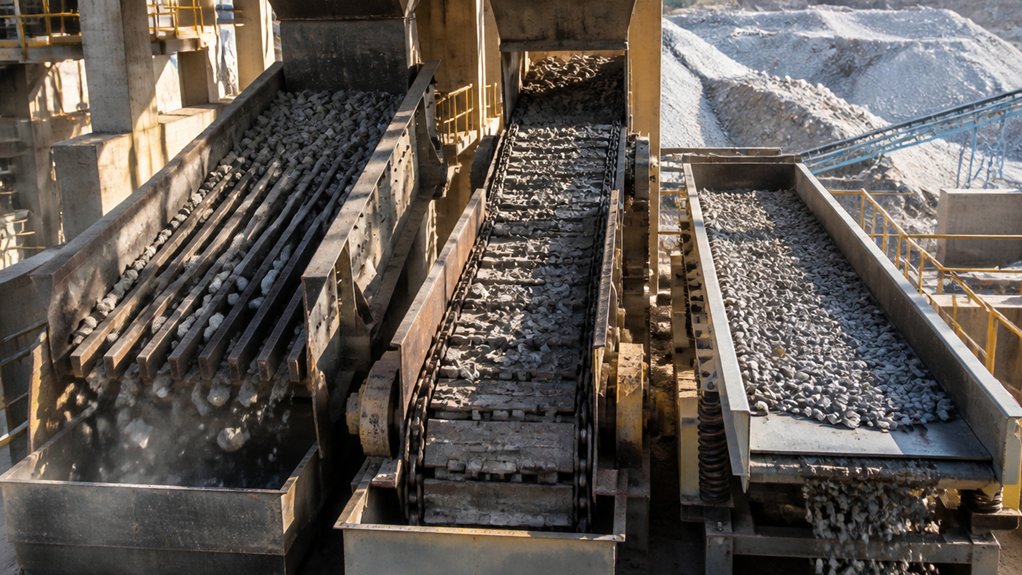
Choose a feeder that matches your material, required production rate, and site conditions. Start by assessing the material’s size, density, moisture, abrasiveness, and tendency to bridge or segregate. These characteristics help determine whether a vibrating grizzly, apron, or pan feeder is the right fit and what construction can handle the expected wear and impact.
Next, define the feed rate and how consistently the downstream process needs material. Check the hopper outlet, loading method, and available space. A poor transfer point can restrict material flow even when the feeder is suitable.
Decide whether you need screening, scalping, or controlled extraction, and account for dust, noise, temperature, and access for inspection and maintenance.
Confirm that the drive and controls allow operators to adjust feed safely and integrate the feeder with the rest of the plant. Before specifying equipment, review the layout and operating conditions with your equipment supplier.
Check current MSHA requirements and applicable site procedures, and make sure the installation provides safe access for operation and maintenance.
Compare Feeders by Capacity and Duty
Compare each feeder’s capacity range with your required throughput, including peak demand.
Match its duty rating to your operating hours, start-stop cycles, and site conditions.
Confirm that the feeder can handle your material’s size, weight, and flow characteristics without overloading, creating blockages, or disrupting production.
Before selecting equipment, review the planned setup and operating procedures with your crew.
Check current MSHA requirements for applicable safety considerations.
Capacity Range
Feeder capacity ranges from compact, light-duty units for steady, lower-volume flows to heavy-duty machines designed for high tonnage and demanding materials. Choose a feeder by matching its rated capacity to your required feed rate and the downstream equipment’s acceptance limit.
Check both average throughput and peak demand. A feeder sized only for average production may restrict output during surges. Vibrating grizzly feeders can support controlled feed and high-volume scalping applications. Apron feeders are suited to heavy, coarse loads, while pan feeders typically handle controlled, moderate flows.
Compare ratings in consistent units and under comparable operating conditions. Account for material density and feeder width when interpreting capacity: volumetric flow and mass throughput aren’t interchangeable. Confirm that the selected model can deliver material steadily across your expected operating range, and coordinate the selection with downstream equipment to help maintain production flow.
Before installation or operation, review applicable safety requirements and check current MSHA regulations.
Duty Conditions
Capacity ratings indicate how much material a feeder can move; duty conditions determine whether it can sustain that rate in your operation. Compare each feeder’s design with your operating hours, start-stop frequency, material characteristics, and maintenance access.
A vibrating grizzly feeder can screen material while feeding it, but its drive and bearings need appropriate inspection and maintenance, especially during continuous operation.
An apron feeder is often suited to severe, abrasive service and extended run times.
A pan feeder can provide controlled, steady feeding where impact and wear are more moderate.
Confirm each model’s continuous or intermittent duty rating, motor thermal limits, and component service intervals with the supplier.
Match the feeder’s construction and wear protection to your material and operating schedule.
Include safe access for inspections and maintenance in your equipment selection, and follow applicable MSHA requirements; check current regulations for your site.
Choosing a feeder that can reliably meet the required rate throughout the duty cycle can help reduce unplanned downtime and support productive operation.
Load Handling
Size the feeder for the highest flow you need to sustain—not just your average production rate. Start by checking peak material volume, surge duration, lump size, bulk density, and whether material arrives continuously or in batches. These details help match feeder capacity to your operation and reduce the risk of bottlenecks or spillage.
Choose the feeder type to suit the material and duty. A vibrating grizzly feeder can provide controlled, high-rate delivery while scalping fines. An apron feeder is suited to heavy, abrasive loads and large lumps. A pan feeder can provide steady transfer in moderate-duty applications.
Next, assess duty cycle and material conditions. Abrasion, impact, moisture, and temperature can affect wear and throughput. Confirm that the feeder’s construction and drive are appropriate for the conditions at your site, and allow operating margin for surges and variable feed rather than sizing by nameplate capacity alone.
Plan for maintenance as well as production. Check access to liners, pans, chains, bearings, and drives so inspections and repairs can be completed safely and efficiently. When comparing options, consider how maintenance access and expected wear affect uptime and lifecycle cost.
Follow applicable safety requirements, and check current MSHA regulations for your operation.
When Should You Choose a Vibrating Grizzly Feeder?
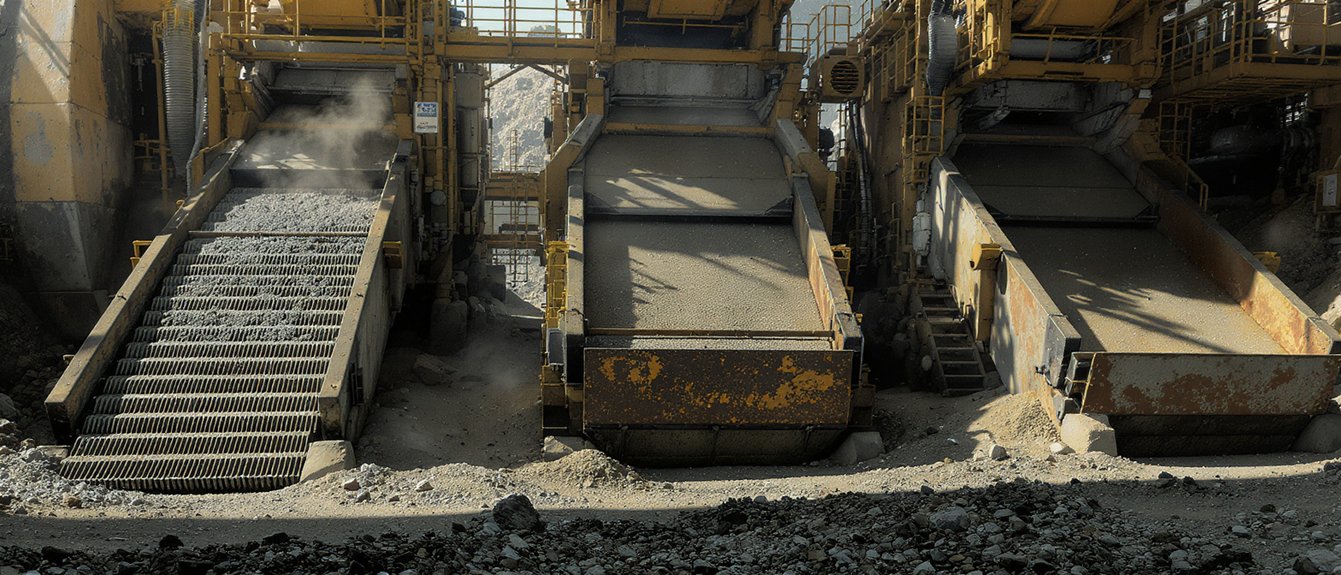
Choose a vibrating grizzly feeder when you need to control material flow and remove fines before they reach a crusher or other downstream equipment. The grizzly bars allow undersized material to pass through while larger rock moves forward. This can reduce unnecessary crusher feed and help limit wear.
This design is a practical option when your feed includes both fines and coarse material, and you need metering and prescreening in one unit. Before specifying a feeder, check that its capacity and bar openings suit your material and required production rate.
Vibration moves material across the deck to support a steady feed. Work with your equipment supplier to select stroke, frequency, and bar spacing for your material and operating conditions. Also assess moisture and clay content, which can cause blinding and reduce screening efficiency.
Keep the deck accessible for inspection and maintenance, and follow applicable safety procedures. Check current MSHA requirements for your operation.
When Should You Choose an Apron Feeder?
An apron feeder is a strong choice when you need to move heavy, abrasive or irregular material from a hopper or stockpile at a controlled rate. Its steel pans and heavy-duty chains can handle impact loads that may damage lighter-duty feeders, making it well suited to run-of-mine ore, blasted rock and large lumps. A variable-speed drive lets operators adjust feed to match downstream equipment and process demand.
Before selecting a feeder, check that the material’s lump size, abrasiveness, moisture and temperature are compatible with the pans, chains and drive. Size the unit for peak loading, required capacity and hopper geometry—not just average flow.
Confirm that the layout provides safe access for inspections, lubrication and component replacement. Include chains, sprockets, pans and bearings in the maintenance plan, and follow applicable MSHA requirements and current regulations.
Choose an apron feeder when reliable, controlled extraction and resistance to impact justify its weight, power requirements and cost. Proper sizing and planned maintenance can help reduce interruptions and keep downstream equipment supplied.
When Should You Choose a Pan Feeder?
A pan feeder is a practical choice when you need to control bulk material discharge beneath a hopper or stockpile. Its reciprocating pan moves material forward in measured strokes, helping prevent surges and maintain a steady feed to a conveyor or downstream process. This can improve transfer-point control and help limit spillage.
Before selecting a pan feeder, confirm that its capacity and drive arrangement suit your required throughput and material. Check that the support structure can handle operating loads, and plan safe access for inspection and service. Follow applicable site safety procedures, and check current MSHA requirements before installation or maintenance.
Choose a pan feeder when controlled, continuous feeding is the priority—not screening or handling severe impact loads. A review with operators and the equipment supplier can help confirm that the feeder fits your process and maintenance plan.
Match Feeder Type to Material and Conditions
Match the feeder to the material’s flow behavior, particle size, moisture and abrasiveness, along with conditions at the feed point. For coarse, dry rock, use a vibrating grizzly to scalp fines before crushing. Size the openings for the feed and choose bars suited to the impact load.
Match feeder type and grizzly openings to the material’s size, moisture, abrasiveness and impact load.
For heavy, abrasive or irregular material, consider an apron feeder, especially where loading is severe or feed rates vary. Use a pan feeder when you need controlled, steady delivery and accurate metering with less impact.
Check that materials and components can handle operating temperatures, corrosion and moisture. Sticky feed can bridge or pack, so assess liner options and make sure cleaning access is practical.
Confirm the available space, required throughput and limits of downstream equipment before selecting a feeder.
Plan maintenance around wear-part inspections and replacement, lubrication and safe access. Follow applicable MSHA requirements and check current regulations for your operation.
A well-matched feeder helps protect downstream equipment and keep material moving reliably.
Frequently Asked Questions
How Often Should Feeder Components Be Inspected?
Inspect feeder components daily for visible wear, loose fasteners, material buildup, and unusual noise. Schedule a more thorough inspection monthly, and follow the equipment manufacturer’s recommended inspection intervals. Record findings and address developing issues promptly to support safe, reliable operation and reduce unplanned downtime. Adjust inspection frequency to match operating conditions, duty severity, and feeder configuration. Check current MSHA requirements and applicable site procedures when planning inspections.
What Are Common Signs of Feeder Wear?
Common signs of feeder wear include thinning liners, cracked welds, elongated holes, loose fasteners, unusual vibration, and uneven material flow. Compare material loss with baseline measurements, and inspect the feeder regularly for changes. Address wear early to reduce the risk of unplanned downtime and maintain safe, consistent production.
Can Feeder Speed Be Adjusted During Operation?
Yes—if the feeder and its controls are designed to allow adjustments while running. Make changes through the approved control system, monitor material flow and downstream equipment, and adjust gradually to avoid surges or interruptions. Stay within the equipment manufacturer’s operating limits, follow site procedures, and keep personnel clear of moving parts. Check current MSHA requirements and your site’s safety rules before making operational changes.
What Safety Precautions Apply During Feeder Maintenance?
Before servicing a feeder, isolate its power and follow your site’s lockout/tagout procedures. Verify that all energy sources are at zero and secure moving parts before work begins. Wear appropriate personal protective equipment, including gloves, eye protection, and hearing protection. Clear material using approved tools and safe methods, and follow site procedures and applicable MSHA requirements. Check current regulations before starting work.
How Can Feeder Blockages Be Cleared Safely?
Stop the feeder and follow your site’s lockout/tagout procedures to isolate all energy sources. Verify the equipment is de-energized and cannot move before clearing the blockage. Use approved tools and never reach into the feeder. Reinstall guards and confirm the area is clear before restarting. Follow applicable MSHA requirements and check current regulations. To reduce repeat blockages, identify and address the cause, and make sure operators know the emergency shutdown procedure.