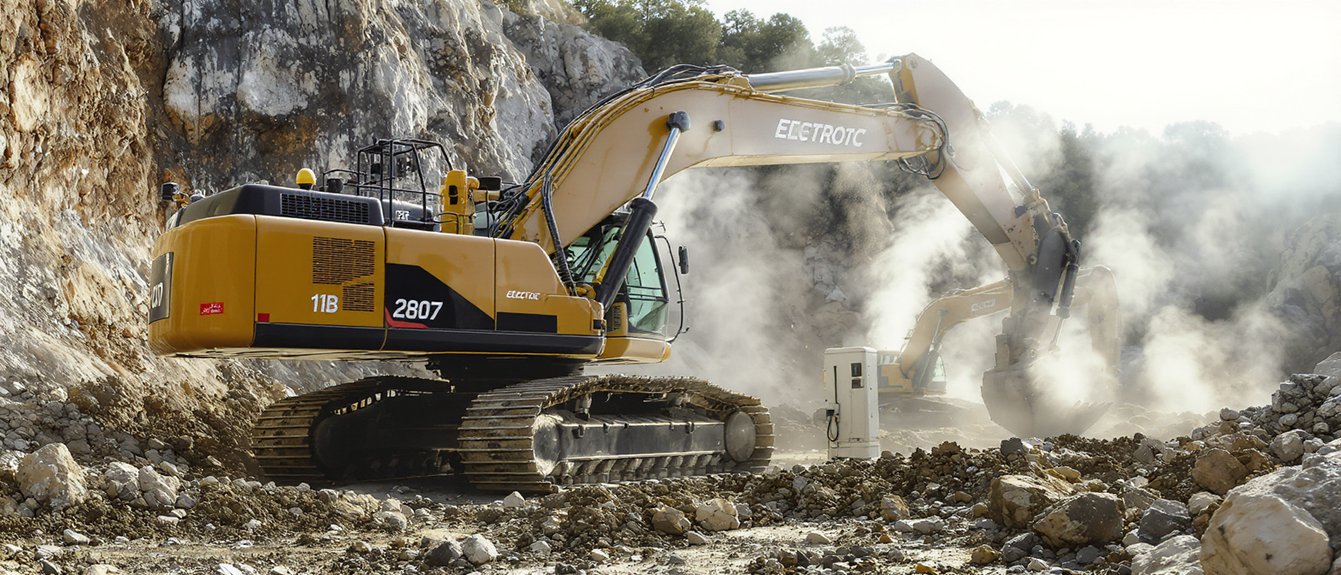
Battery-powered excavators can reshape quarry operating costs, but the business case depends on the work cycle, charging access, electricity rates, and how reliably the machines can stay on task. You may reduce diesel use, routine maintenance needs, exhaust emissions, and noise near the face. The higher upfront investment and charging requirements still need careful review.
Start by mapping each excavator’s duty cycle, travel time, and planned shifts. Then assess charging locations, available electrical capacity, and how charging will fit into production schedules. Compare expected operating savings with purchase and infrastructure costs, and consider how the change affects equipment availability, operator safety, and site logistics. The goal is to identify where battery-powered equipment can deliver dependable productivity—and what your operation needs to support it.
When Do Battery-Powered Excavators Make Sense?
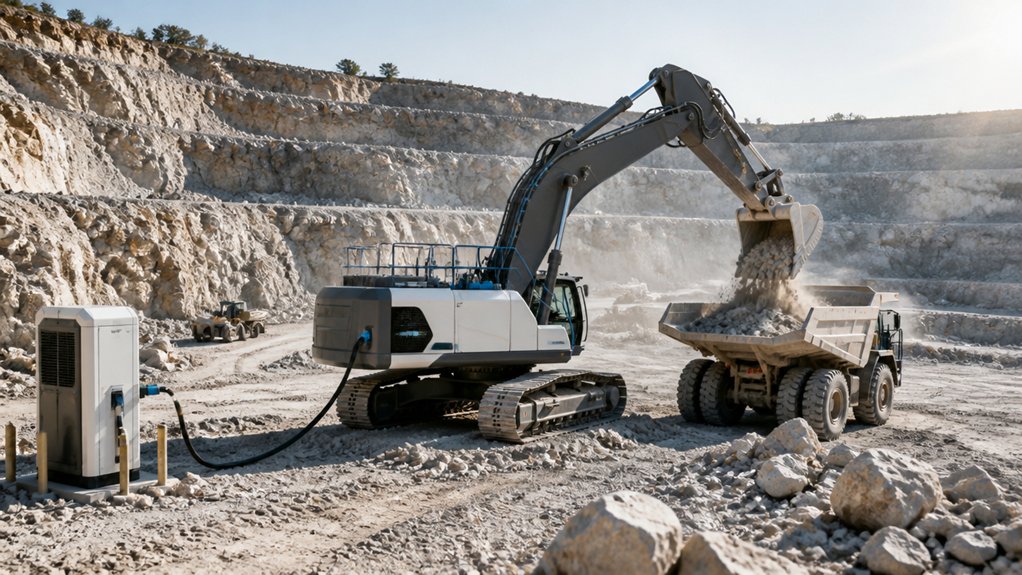
Battery-powered excavators make economic sense when you can keep them productive within their operating range and recharge them without interrupting production. They’re often a good fit for quarries with predictable shifts, haul distances, and digging cycles.
Start by comparing usable battery capacity with peak-hour demand, not average daily output. Account for cold weather, heavy material, and travel between faces. Then confirm that your charging setup can support the required turnaround. Check grid capacity, charger location, and backup plans against the production schedule.
Include battery life, expected annual operating hours, duty severity, replacement timing, residual value, and warranty limits in your ownership analysis. Evaluate each work area separately: a machine that performs well on one face may not suit another. Before committing capital, run a representative trial and track productivity, charging time, and any effects on the work schedule.
Plan charging and equipment movements to protect safe access and maintain production. Check current MSHA requirements and site procedures for the machine, charging area, and related work. A compatible backup machine can help cover charging windows or unexpected peak demand.
How Electric Excavators Cut Quarry Operating Costs
A battery-powered excavator can lower operating costs when its capabilities match your quarry’s duty cycle. Savings may come from reduced diesel use, no engine oil or fuel filters, and fewer routine service tasks. With fewer moving parts in the drivetrain, maintenance labor and unplanned downtime may also decrease.
To assess the business case, compare total cost of ownership—not just energy rates. Include electricity tariffs, machine utilization, charging infrastructure, battery replacement exposure, and service requirements.
Battery life is another key part of the calculation. Follow the supplier’s guidance for charging and thermal management, and review warranty terms so you understand what’s covered and for how long. Before committing, map the excavator’s work cycles against available charging time and site power capacity.
Consider site-level effects, too. Lower noise may help when work is near communities, while reduced exhaust at the machine can improve conditions for operators. These benefits may support permitting or reduce the need for mitigation, but confirm requirements with local authorities and check current regulations.
For a complete environmental assessment, consider your electricity source and actual operating profile.
How Quarry Charging Affects Excavator Productivity
Charging affects excavator productivity when it interrupts the quarry’s production cycle or reduces machine availability. Coordinate charging with shift changes, meal breaks, and planned maintenance to limit lost operating time. A high-capacity charger near the working face may support opportunity charging; a dedicated charging area can serve machines during longer pauses. Build charger access, site power limits, and haul-cycle timing into the dispatch plan. Otherwise, queues may leave operators waiting and reduce fleet output.
Plan charging areas and procedures with safety in mind. Keep access routes clear, follow equipment and charger instructions, and train operators on site-specific charging practices. Check current MSHA requirements and other applicable regulations when developing procedures.
Charging infrastructure also affects operational flexibility. If grid capacity is constrained, stagger charging or consider energy storage to help manage demand alongside other site loads. Monitor energy use, charge rates, and battery temperature, and follow supplier guidance to help protect battery life. Compare productive hours, charging downtime, and tonnes moved per shift to identify scheduling or infrastructure issues.
With coordinated planning, you can keep excavators available while aligning energy demand with quarry operations and site power capacity.
What Battery-Powered Excavators Cost Upfront
Battery-powered excavators generally cost more upfront than comparable diesel models, but a complete estimate can help you assess the investment against your production needs. Ask suppliers for a configuration-specific quote that separates the machine price from site electrical work.
Include chargers, installation, power upgrades, and utility connection fees in the site budget. For remote quarries, assess the distance to the grid and the work needed to provide reliable charging capacity. Confirm that the proposed setup supports your operating hours, duty cycle, and available charging windows without disrupting production.
Compare battery capacity and warranty terms across bids. A larger battery may better suit demanding schedules, but it can also increase the purchase price. Review coverage, replacement provisions, and expected battery life, and ask how each supplier’s terms apply to your planned use.
Also budget for financing, delivery, and commissioning. Before procurement, have your operations and maintenance teams review the charging plan, equipment configuration, and startup requirements. This helps identify potential impacts on production and supports safe, reliable operation from the start.
When Quarry Savings Offset the Purchase Price
A battery-powered excavator can offset its higher purchase price when lifetime savings on energy and maintenance, together with any available incentives, exceed the added costs of the machine and site infrastructure. To assess the business case, model your quarry’s actual operating hours, work patterns, charging windows, electricity rates and diesel costs. Avoid relying on headline savings that may not reflect your operation.
Compare four factors:
- Energy costs: Estimate cost per operating hour using your electricity rates and charging losses. Compare it with the fuel cost of a diesel machine doing the same work.
- Maintenance: Account for avoided engine oil, filters and engine repairs, as well as battery inspections and other electric-system service.
- Utilization: Use actual annual operating hours. Consistent use can improve the payback case; long idle periods may delay it.
- Ownership horizon: Consider expected battery life, potential replacement costs and how long you plan to keep the machine.
Include charger installation, possible grid upgrades and any downtime during setup. Check whether incentives apply to your project, and confirm their terms before including them in your calculations.
Lower on-site emissions may also support environmental goals, permitting discussions or customer requirements, but assess those benefits alongside productivity, safety and operating costs.
Before committing, review the assumptions with your equipment supplier and utility provider. Confirm that the charging plan fits your work schedule and site conditions, and reassess the model each year as operating patterns, energy rates and regulations change.
Check current MSHA requirements and other applicable regulations when planning equipment, charging areas and site procedures.
Frequently Asked Questions
What Maintenance Do Battery-Powered Excavators Require?
Maintain battery-powered excavators with routine inspections and service checks that support safe, productive operation:
- Inspect electrical connections, cooling systems, hydraulic lines, tracks, and safety controls for damage, leaks, or wear.
- Monitor battery condition and follow the manufacturer’s guidance for charging, storage, and routine checks.
- Keep software current according to supplier recommendations, and document updates and service work.
- Check wear components regularly so you can plan maintenance before a problem causes unplanned downtime.
Follow applicable MSHA requirements and check current regulations. Consistent maintenance helps protect operators, maintain equipment availability, and manage operating costs.
How Long Do Excavator Batteries Typically Last?
Excavator battery life typically ranges from 8 to 15 years, but actual service life depends on battery chemistry, operating conditions, and maintenance. Heat, frequent deep discharges, and repeated charging cycles can reduce capacity. Track battery performance and inspect connections regularly so you can plan replacements before a failure disrupts production. Follow site safety procedures and check current requirements when servicing batteries.
Can Battery-Powered Excavators Operate in Extreme Weather?
Yes. Battery-powered excavators can operate in extreme weather when conditions stay within the manufacturer’s operating limits and crews plan for the effects of temperature, moisture and charging access.
In cold weather, battery performance can decline. Follow the manufacturer’s guidance for preconditioning, charging and storage, and allow time for the machine to reach operating temperature. In hot weather, monitor the battery and cooling system for warnings, keep cooling components clear, and avoid blocking airflow. In rain, snow or dusty conditions, inspect seals, connectors and other weather-exposed components as part of routine maintenance.
Before each shift, check the forecast, confirm that charging equipment is suitable for site conditions, and make sure operators know how to respond to temperature or system alerts. Include weather-related hazards in the site safety plan, follow applicable MSHA requirements, and check current regulations. These steps help protect crews and equipment while supporting reliable production.
What Happens to Excavator Batteries at the End of Their Service Life?
At the end of an excavator battery’s service life, have it evaluated for reuse, refurbishment, or recycling. Recycling can recover valuable materials, reduce environmental impact, and help offset disposal costs. To protect crews and avoid disruption, follow safe handling procedures and use a qualified, certified processor. Check current MSHA requirements and applicable regulations before moving or disposing of the battery.
Are Battery-Powered Excavators as Powerful as Diesel Models?
Yes. Battery-powered excavators can deliver digging force and cycle performance comparable to diesel models, depending on the machine and application. To assess productivity, compare the excavator’s performance against your typical material, work cycle and shift length. Plan charging around the job, and confirm that site power and charging access can support the schedule. Also review operating costs, emissions goals and safety procedures, including applicable MSHA requirements and current regulations.