Abrasive hard rock exposes jaw dies to severe wear and repeated impact. Hardness matters, but a die also needs enough toughness to resist cracking and chipping. Advances in alloy design and heat treatment can help balance these demands and extend service life. The right choice depends on the rock, crusher setup and operating conditions. Review wear patterns and operating data with your equipment supplier to identify a suitable material and improve uptime while supporting safe, reliable operation.
Why Does Hard Rock Wear Jaw Dies?
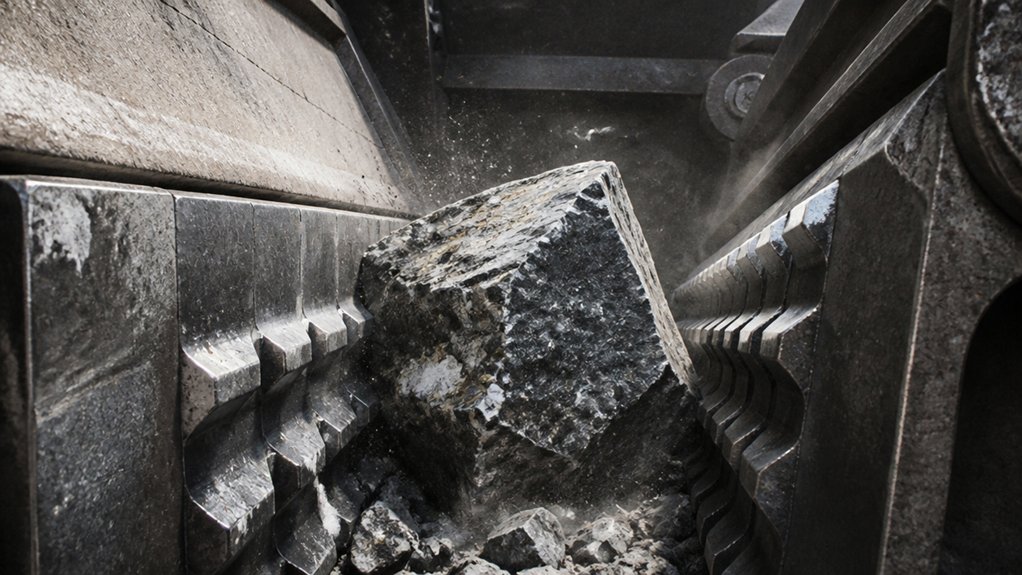
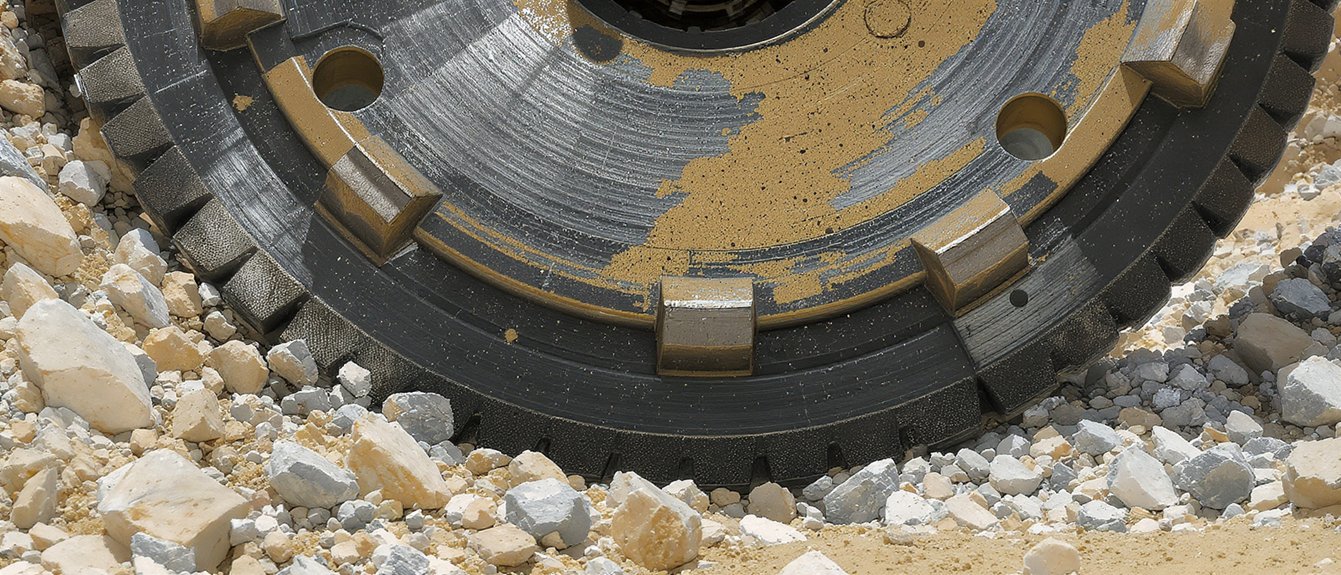
Hard rock wears jaw dies through abrasion and repeated loading. Sharp, hard particles—especially angular, quartz-rich material—can score the die faces and remove metal. Trapped fragments may increase localized damage, while repeated compressive loads can loosen or fracture surface material, particularly where contact is concentrated near the feed zone.
Wear depends on more than rock hardness. Feed size and shape, crusher settings, die profile, alignment, and operating conditions all affect how material grips, slides, and loads the faces.
To support consistent production and reduce uneven wear:
- Match the die profile to the feed material and check that the dies are correctly aligned.
- Inspect die profiles regularly for uneven wear, damage, or loose material.
- Review crusher settings as the dies wear, following equipment guidance.
- Before inspection or maintenance, follow site lockout procedures and applicable safety requirements. Check current MSHA regulations.
These steps can help limit unnecessary rubbing, maintain effective crushing, and identify wear-related issues before they disrupt production.
How Do Jaw Die Alloys Balance Hardness and Toughness?
How jaw die alloys balance hardness and toughness
Jaw dies must resist abrasion without becoming too brittle under crushing loads. High surface hardness helps limit gouging and wear, while adequate toughness helps the die absorb impact and resist cracking. The right balance supports reliable production and reduces the risk of unplanned changeouts.
Manganese steel can work-harden under repeated compression, forming a harder wear zone while retaining a more ductile core. Chromium and other alloy additions may improve abrasion resistance, but increasing hardness can reduce impact tolerance. Select an alloy based on the material’s abrasiveness, feed size, and crusher settings. Abrasive feed may call for greater wear resistance; severe impact may favor toughness.
Before changing grades, review wear patterns, operating conditions, and available alloy data with your equipment supplier. Check dies regularly for cracking and uneven wear, and follow safe shutdown and lockout procedures during inspections or changeouts.
A surface coating may help in selected applications, but it must withstand repeated impact without creating a brittle layer. Confirm that any coating is suitable for your operating conditions, and check current MSHA requirements and applicable site procedures.
How Does Heat Treatment Improve Jaw Die Wear Life?
Heat treatment improves jaw die wear life by balancing surface hardness with enough toughness to handle repeated crushing impacts. In quarry operations, that balance helps dies resist abrasive wear and deformation without becoming so brittle that they crack under load.
Controlled heating and quenching harden the steel. Tempering afterward reduces internal stress and restores toughness. Temperature control is critical: overheating can weaken the steel’s structure, while uneven cooling can cause distortion or residual stress.
Localized annealing may relieve stress or make a section easier to machine, but excessive softening can speed up wear.
For reliable performance, use a qualified heat-treatment provider and confirm that the process suits the die material and operating conditions. After treatment, check hardness across the working face and inspect for cracks or distortion before installation.
Follow your site’s safe handling and inspection procedures, and check current MSHA requirements where applicable. Consistent treatment and inspection can help reduce premature die failure and unplanned downtime.
Which Jaw Die Materials Suit Different Rock Conditions?
Jaw die material should match the rock’s abrasiveness and the impact loads your crusher sees. For highly abrasive rock with relatively low impact, high-chromium or alloyed steel may offer good wear resistance, but confirm that the die can also handle the crushing loads.
For hard, tough feed or heavy, variable impact, manganese steel is often a more impact-tolerant option. It work-hardens under repeated compression, helping balance wear resistance with toughness.
Softer, less abrasive feed may not require a more specialized alloy; a standard manganese grade may be sufficient. Before selecting a die, review the feed’s mineralogy, particle shape, abrasiveness, and impact conditions—not hardness alone.
Compare the material’s toughness and work-hardening behavior with the rock’s properties and your crusher’s operating conditions. If the feed varies, prioritize a grade that can tolerate the highest expected impact.
A die that’s too brittle may crack before abrasion wears it out.
Track die wear and inspect for cracking during routine maintenance. Use the findings to adjust material selection and operating practices, and follow your site’s safety procedures and current regulations when performing inspections or changing dies.
How Can You Measure and Extend Jaw Die Wear Life?
Measure jaw die wear at the same marked points and intervals. Use a fixed gauge or scan method to record thickness and profile, then compare the readings with the equipment supplier’s minimum service limits.
Track jaw die wear consistently with a fixed gauge or scan, and compare measurements against the supplier’s minimum service limits.
Log operating hours, tonnage, feed characteristics, and die position so you can track wear rate and plan replacement before worn dies affect product sizing or create a safety concern.
Follow site procedures and check current MSHA requirements when planning inspections and maintenance.
To extend die life, distribute feed evenly and keep oversized or tramp material from concentrating impact on the dies.
Set the closed-side setting for the application, and inspect die seating surfaces and fasteners during shutdowns.
Select a die alloy suited to the material’s abrasiveness and impact conditions.
A compatible surface coating may help reduce abrasion, but confirm with the supplier that it won’t compromise toughness or grip.
Lubricate bearings and adjustment mechanisms according to equipment guidance; never apply lubricant to crushing faces.
After adjustments, recheck the die profile and setting.
Frequently Asked Questions
How Often Should Jaw Dies Be Inspected During Crushing Operations?
Inspect jaw dies at each shift change and after unusual vibration, a blockage, or a change in throughput. Follow site safety procedures and the manufacturer’s recommended inspection intervals. Check for wear during operation only when it can be done safely; otherwise, stop and secure the crusher before inspecting. Early detection helps prevent unplanned downtime and supports consistent production.
What Safety Precautions Are Needed When Replacing Jaw Dies?
Before replacing jaw dies, shut down the crusher and follow your site’s lockout/tagout procedure. Verify that all energy sources are isolated and at zero energy, and block or otherwise secure moving components against unexpected movement. Wear the required personal protective equipment. If hydraulic systems are involved, follow the equipment’s procedures to relieve pressure and confirm the system is depressurized before disconnecting any lines. Use lifting equipment rated for the load, and have trained personnel handle the lift. Follow applicable MSHA requirements and check current regulations and equipment-specific instructions before starting work.
How Can Operators Verify Jaw Die Compatibility With a Crusher Model?
Check the crusher model and serial number against the equipment manual, then verify the jaw die’s dimensions, mounting pattern, and part number. Confirm that its material and manufacturing requirements match the manual. Before installation, get written confirmation from the supplier that the die is compatible with your specific crusher. This helps prevent fitment problems, unplanned downtime, and unsafe operation. Follow the manufacturer’s installation procedures and check current MSHA requirements.
What Environmental Factors Affect Jaw Crusher Maintenance Schedules?
Dust, temperature swings, humidity, precipitation, and corrosive contaminants can all affect jaw crusher wear and maintenance needs. In dusty conditions, inspect and clean air intakes, guards, and moving parts more often. Check lubrication and electrical components for signs of contamination or moisture, and look for corrosion or abnormal wear after exposure to rain, standing water, or corrosive materials. Use inspection findings and operating data to adjust service intervals, following the equipment supplier’s guidance. These steps can help reduce unplanned downtime and support safe, reliable production.
How Should Worn Jaw Dies Be Recycled or Disposed Of?
Send worn jaw dies to a certified scrap-metal processor that accepts the material. Before transport, remove attached contaminants when it’s safe to do so, confirm the processor’s alloy and acceptance requirements, and secure the dies for handling. Dispose of residues—and any dies the processor rejects—in accordance with local regulations and applicable safety requirements. Check current MSHA rules and site procedures for handling and transporting heavy components.